
Level Up as a UX UI Designer
Become the designer companies remember
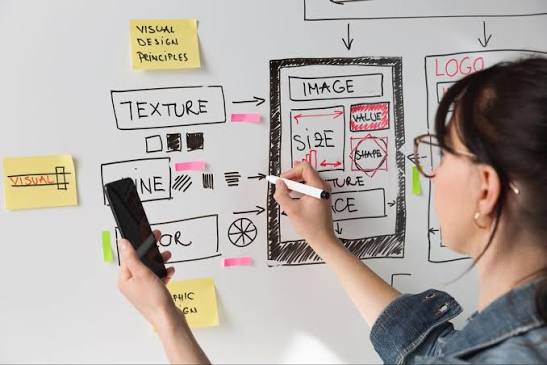
About This Quest
UX/UI design is equal parts creativity, psychology, and problem solving. Rather than jumping straight into designing beautiful screens, you'll first learn how people think, behave, and interact with digital products. Every decision—from the placement of a button to the flow of an entire app—starts with understanding the person using it.
What This Quest Unlocks
User-Centred Thinking
Learn to approach challenges with empathy, structure, and a deeper understanding of how people interact with products and services
Greater Professional Confidence
Develop the confidence to contribute more effectively, pursue new opportunities, and continue growing throughout your design journey.
A Globally Transferable Skill Set
Build capabilities that can be applied across industries, companies, and locations, giving you greater flexibility in where and how you work
What This Quest Looks Like
You'll spend this quest building the same skills UX/UI designers use to create the apps and websites people interact with every day. Each project challenges you to think through real user problems, sketch ideas, create wireframes, design polished interfaces, and gradually turn rough concepts into experiences that feel intuitive and easy to use.
As your confidence grows, you'll move from following tutorials to making your own design decisions. You'll build interactive prototypes, gather feedback, refine your work, and create case studies that showcase not just the final design, but the thinking behind it. With every project, your portfolio grows alongside your skills.
By the end of this quest, you'll have a collection of real-world design projects, practical experience with industry-standard tools, and the confidence to present your work to employers, clients, or even use your skills to build products of your own. You'll finish with more than new technical abilities—you'll see the digital world through the eyes of a designer, constantly noticing how great experiences are created and how they can be made even better.
Embark On This Quest
Everything You Need for This Quest
The best designers never stop learning
Growth happens faster when you have someone to exchange ideas with, challenge your thinking, and celebrate progress alongside. Know someone who's always tweaking their Figma files, collecting UI inspiration, or looking for their next breakthrough? Send them this OutQuest—you might end up pushing each other further than either of you would alone.
FAQ
If your work feels repetitive, you're relying on the same process for every project, or you're aiming for more challenging roles, bigger responsibilities, or greater impact, it may be time to invest in developing new skills and expanding your expertise.
Both approaches have their advantages. Specialising can deepen your expertise in areas like UX research, interaction design, accessibility, or design systems, while broadening your skill set can make you more versatile across different teams and projects.
Many continue learning through advanced courses, mentorship, conferences, industry communities, side projects, design critiques, and by regularly studying how great digital products solve real user problems.
Technology, tools, and design practices continue to evolve. Staying curious, learning continuously, seeking feedback, and adapting to new ways of working can help you remain competitive throughout your career.